
Beyond the CPO: The Owner’s Role in Pool Stewardship
the owner's role in professional pool stewardship
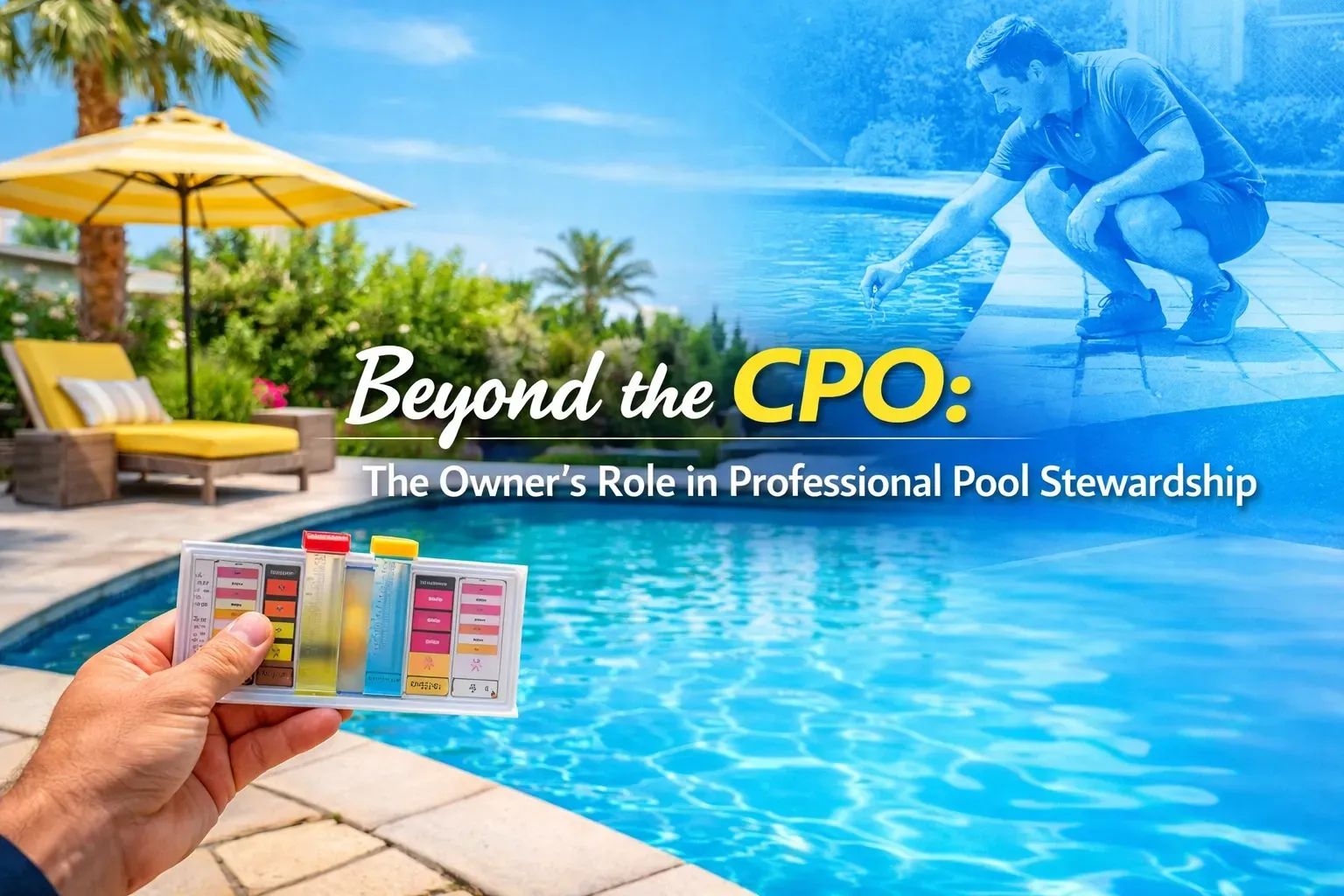
If you manage a commercial property in the Treasure Valley, whether it’s a high-end HOA in Meridian, a fitness center in Boise, or an apartment complex in Nampa, you know the "Pool Season Panic" all too well. Every spring, there is a mad dash to get the water clear and the gates open. Often, the strategy begins and ends with sending a maintenance technician to a Certified Pool Operator (CPO) course.
Don't get us wrong, CPO training is the gold standard for foundational knowledge. At Idaho Pool Remodeling, we are huge advocates for it (and we provide it!). But here is the hard truth: Sending your staff to a two-day class and then handing them a key to the pump room is not a management strategy.
Professional pool stewardship requires more than a certificate on the wall. It requires property owners and managers to step up with clear expectations, realistic operational budgets, and a commitment to timely capital expenditure (cap-ex). If you are treating your pool like a "set it and forget it" amenity, you aren't just risking a green pool; you’re risking legal liability, safety hazards, and a massive financial hit down the road.
1. The Training Trap: Why Knowledge Isn't Enough
We see it all the time. An owner pays for a staff member to get certified. That staff member now knows the chemistry of a pool and how a pump works. But what happens when they tell the manager, "Hey, the feeder is failing," and the manager says, "We don't have the budget for that right now, just hand-feed it"?
Knowledge without resources is just frustration. As an owner or manager, your responsibility is to ensure that the knowledge gained in a CPO course is supported by the tools and authority to act.
Are you asking your staff to perform miracles with outdated equipment? If your team is spending four hours a day fighting a losing battle against a manual vacuum because the budget for an robotic cleaner was denied, you aren't saving money, you’re burning labor hours.
2. Setting Clear Expectations (The "What" and "When")
Your maintenance team shouldn't have to guess what "clean" looks like. Stewardship starts with a written standard of care. This goes beyond just "the water is blue."
Property managers need to define:
- Daily Checklists: Beyond chemistry, are the tiles being scrubbed? Is the deck being hosed down?
- Response Times: If a pump goes down on a Saturday in July, what is the protocol?
- Communication Loops: When was the last time you walked the pool deck with your operator to look for cracked tiles or calcium buildup?
If you don't set the bar, don't be surprised when the facility starts to look like it’s "just getting by." Safety is always number one, and that starts with an owner who demands excellence.
3. The Budget Reality Check: Operational vs. Capital
In Idaho, we deal with some unique challenges. From the hard water in Meridian to the dust and pollen of "chip seal season," our pools work hard. You cannot budget for a pool in 2026 using numbers from 2016.
Operational Budgeting covers the day-to-day: chemicals, testing kits, small parts, and labor. If your operator is afraid to buy reagents for their test kit because it will "blow the budget," your facility is in trouble.
Capital Expenditure (Cap-Ex) is where most owners fall short. This covers the "big ticket" items:
- Resurfacing the interior finish every 10–15 years.
- Replacing aging heaters or filter tanks.
- Upgrading to modern deck surfaces to prevent slip-and-fall accidents.
Is your pool missing the "pop" it had when it was new? That’s usually a sign that the cap-ex budget has been ignored for too long.
4. The High Cost of "Kicking the Can"
We understand, nobody likes spending $50,000 on a commercial pool remodel. But waiting until the pool is leaking 2,000 gallons a day or the health department shuts you down is significantly more expensive.
When you delay necessary repairs, you face three major risks:
- Safety & Health Risks: Faulty equipment or poor circulation leads to bacteria growth or chemical imbalances. This isn't just a nuisance; it's a public health hazard.
- Legal Liability: If a resident trips on a heaved pool deck or an entrapment hazard exists because of an outdated drain cover (non-compliance with VGBA standards), the owner is on the hook, not just the maintenance guy.
- Asset Depreciation: A neglected pool is a liability that lowers property value. A pristine, modern pool is an asset that drives leases and sales.
A sobering example: the Marie Joseph case (Fall River, MA) and “normalization of deviance.” If you followed the news out of Fall River, you may have heard about the Marie Joseph tragedy—where she was found deceased in a public pool after going unnoticed for two days. It’s hard to even type that sentence. But it’s also one of the clearest real-world examples of normalization of deviance: when small lapses become “normal” over time—cloudy water that’s “good enough,” visibility standards that get relaxed, log sheets that turn into pencil-whipped paperwork, staffing that’s technically “on-site” but not truly supported.
Here’s the point that matters for owners and managers: having staff on-site isn’t the same as having a safety system. If your operator is trying to keep water clear without the chemical budget, without authority to close the pool when visibility is poor, and without management backing when residents complain, you’re setting up a failure chain. And that chain doesn’t stop at a green pool—it can stop at a catastrophic outcome.
So ask yourself (honestly): Do your management expectations make it easy to do the right thing—or do they quietly reward “just keep it open”? Because “clear water” isn’t a cosmetic nice-to-have. It’s a life-safety requirement. The institutional support has to be there: budgeting for proper testing and treatment, enforcing closure policies, documenting inspections, and treating your pool like the high-risk environment it is.
For Boise-area property managers, this is exactly why cap-ex planning and operational oversight aren’t optional. If you’re deferring circulation system upgrades, running tired filtration, or stretching chemical budgets through peak season, you’re not just risking an ugly pool—you’re risking a preventable tragedy and the legal/financial aftermath that follows.
5. Leveraging Technology and Support
Professional stewardship in the modern era means embracing technology. Are you still using "dinosaur" tech in your pump room?
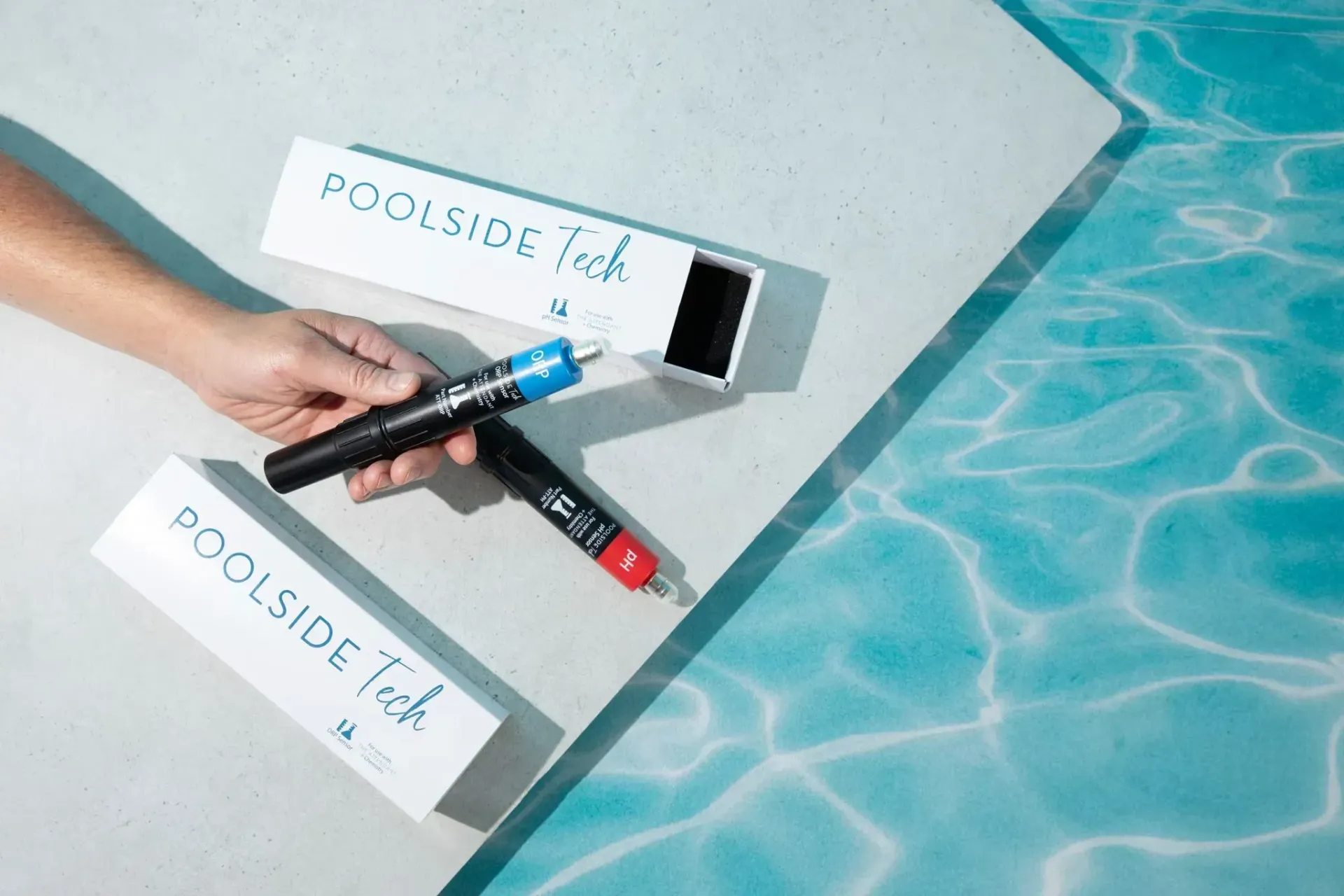
At Idaho Pool Remodeling, we often recommend ProMinent Chemical Controls and Pool Attendant systems that allow for remote monitoring. Imagine being a property manager and getting an alert on your phone that the pH is out of whack before a resident complains. That is what true stewardship looks like.
Furthermore, if you aren't a pool expert, you shouldn't have to pretend to be one. That’s where consultation and expert witness services come in. We can help you build a 5-year cap-ex plan so there are no surprises when the board meeting rolls around.
6. The "Owner's Audit": A Quick Self-Assessment
Ask yourself these questions today. If the answer to more than two is "no," it’s time to rethink your stewardship.
- Do I know the age and expected remaining life of my pool’s heater and filter?
- Have I reviewed the VGBA compliance of my drains in the last year?
- Does my staff have a dedicated budget for emergency repairs that doesn't require a three-week approval process?
- Is my pool’s interior finish smooth, or is it starting to feel like sandpaper on swimmers' feet?
- When was the last time we had a professional swimming pool inspection by an outside expert?
Why Idaho Pool Remodeling?
We’ve been serving the Boise and Meridian area for over 25 years. We don't just "fix pools"; we partner with property managers to ensure their aquatic assets are safe, compliant, and beautiful. From pool and spa remodels to providing the actual CPO training for your team, we are your boots-on-the-ground experts.
We know the local regulations, we know the Idaho climate, and we know exactly what it takes to keep a high-traffic commercial pool running smoothly. Stewardship isn't just about the water: it's about the people who trust you to keep that water safe.
Final Thoughts: Don't Wait for the Red Tag
The most expensive pool repair is the one that happens after the City or County Health Department hangs a "Closed" sign on your gate. Don't let your facility become a cautionary tale.
Supporting your staff with the right budget and clear expectations isn't just "nice to do": it's your job as a professional property owner. Let’s make sure your pool comes to life this season and stays that way for years to come!
Ready to get serious about your pool's stewardship? Whether you need a full commercial remodel, a safety inspection, or a consultation on your upcoming budget, we are here to help.
Call Scott and the team at Idaho Pool Remodeling today at 208-495-5047 to schedule a consultation. Let’s protect your investment together!